内容提供者
内容提供者

GEE和QIF用于含有缺失数据的AsthmaData数据分析.docx
 2024-10-15
 5金币
5金币
 11KB
11KB
 3页
3页

快乐****蜜蜂
 实名认证
内容提供者
实名认证
内容提供者


在线预览结束,喜欢就下载吧,查找使用更方便
相关资料

GEE和QIF用于含有缺失数据的AsthmaData数据分析.docx
GEE和QIF用于含有缺失数据的AsthmaData数据分析IntroductionAsthmaisachronicrespiratorydiseasethataffectspeopleofallagesworldwide.Itischaracterizedbyinflammationinthebronchialtubes,whichleadstowheezing,difficultybreathing,andcoughing.Themanagementofasthmarequiresroutinemon
2024-10-15
5
11KB

Hybrid GEE方法和QIF方法的比较.pptx
添加副标题目录PART01PART02定义和原理优点和适用场景局限性应用案例PART03定义和原理优点和适用场景局限性应用案例PART04比较分析优缺点对比适用场景比较未来发展趋势PART05适用场景选择建议优缺点权衡建议未来发展前景展望感谢您的观看
2024-10-09
20
718KB

含有缺失数据的两值吸毒数据分析的任务书.docx
含有缺失数据的两值吸毒数据分析的任务书任务书背景说明:在社会生活中,吸毒问题是一个严重的社会问题。针对吸毒问题,许多研究人员提出了各种各样的解决方案。通过分析吸毒数据,可以深入了解吸毒行为以及相关因素,为制定更好的吸毒预防和治疗措施提供科学依据。然而,吸毒数据通常存在缺失值,如何处理缺失值对数据分析结果产生影响,是吸毒数据分析的一个重要问题。任务目标:基于含有缺失数据的两值吸毒数据进行分析,探究吸毒行为与一些影响因素之间的关系,并根据分析结果提出预防吸毒的建议措施。任务流程:1.数据收集从相关社会机构或学
2024-09-15
5
10KB

不同作业相关结构的纵向数据GEE分析.docx
不同作业相关结构的纵向数据GEE分析Title:AGEEAnalysisofLongitudinalDataonDifferentJob-RelatedStructuresIntroduction:Thestudyaimstoanalyzelongitudinaldataondifferentjob-relatedstructuresusingGeneralizedEstimatingEquations(GEE)analysis.Job-relatedstructuresrefertovariousasp
2024-10-22
5
10KB
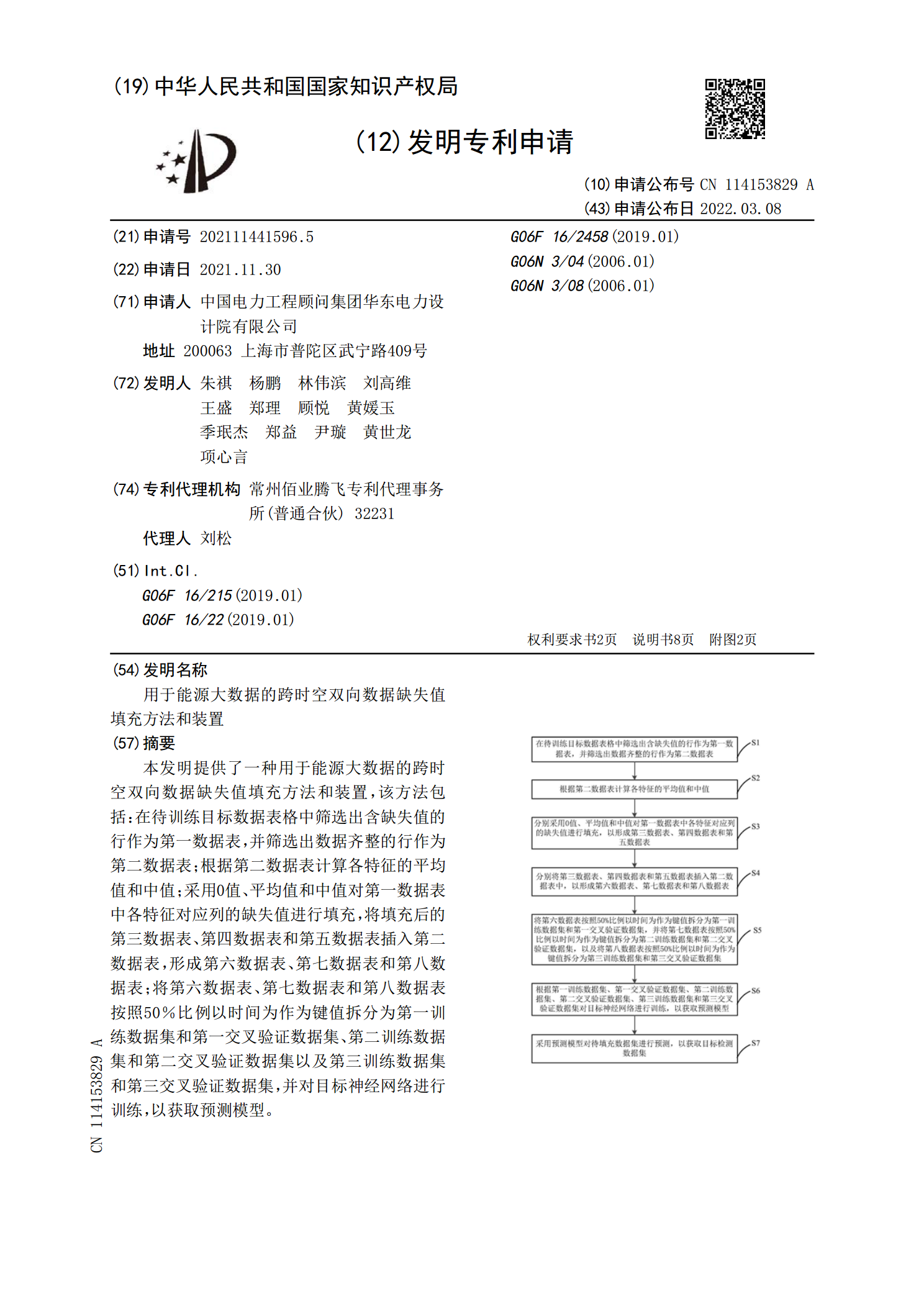
用于能源大数据的跨时空双向数据缺失值填充方法和装置.pdf
本发明提供了一种用于能源大数据的跨时空双向数据缺失值填充方法和装置,该方法包括:在待训练目标数据表格中筛选出含缺失值的行作为第一数据表,并筛选出数据齐整的行作为第二数据表;根据第二数据表计算各特征的平均值和中值;采用0值、平均值和中值对第一数据表中各特征对应列的缺失值进行填充,将填充后的第三数据表、第四数据表和第五数据表插入第二数据表,形成第六数据表、第七数据表和第八数据表;将第六数据表、第七数据表和第八数据表按照50%比例以时间为作为键值拆分为第一训练数据集和第一交叉验证数据集、第二训练数据集和第二交叉
2023-07-24
10
589KB