内容提供者
内容提供者

动词时态复习.ppt
 2024-06-14
 10金币
10金币
 96KB
96KB
 23页
23页

sy****28
 实名认证
内容提供者
实名认证
内容提供者


亲,该文档总共23页,到这已经超出免费预览范围,如果喜欢就直接下载吧~
相关资料

动词时态复习.ppt
2024-06-07
10
1MB

动词时态复习.ppt
动词时态复习一般现在时一般现在时常表示:1.客观事实或普遍真理2.经常发生,反复进行的动作或状态3.主语现有的特征常与下列时间状语连用:1)often,always,usually,sometimes,never等:ItneversnowsinAustraliainDecember.Theyusuallygotoschoolbybike.2)onceayear,twiceamonth,everyyear/week/day,everytwodays等:Hewritestohisfathertwiceamon
2024-06-14
10
96KB

复习动词时态.ppt
初中英语动词时态复习诊断测试4Therewillbeaninterestingmovie_____twodays.A.forB.inC.afterD.since5Hisfather_____sincehewastwoyearsold.A.hasdiedB.diedC.hasdeathD.hasbeendead6Themeeting____fortenminuteswhenIgotthereyesterday.AhasbegunB.hadbegunC.hasbeenonD.hadbeenon7“Wherei
2024-06-20
10
1.2MB

动词时态复习.doc
动词时态复习时态名称用法构成常用时间状语例句备注一般现在时现在或现阶段经常反复发生的动作或状态表示客观变化和真理时间、条件状语从句用一般现在时表示将来be:am,is,are实义动词:一般用动词原形表示当主语是第三人称单数时动词词尾+s或esbe;now,thesedays,today……often,usually,always,sometimes,everyday(week,month,year…)onceaweek(month…)onSundays……Wearebusynow.Heworksharde
2024-08-30
10
32KB
动词时态复习.ppt
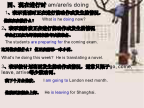
四、现在进行时am/are/isdoing注*表示情感或心理状态等状态动词一般不能用于进行时。这类词常见的有agree,appear,be,believe,belong,see,feel,forget,have,hear,know,like,love,notice,mind,realize,remember,seem,think,wish,want等。但是,当它们表示其它意义时则可以用进行时。Eg.WearethinkingaboutmovingtotheSouth.Ithinkyou’reright.五
2024-06-08
15
328KB